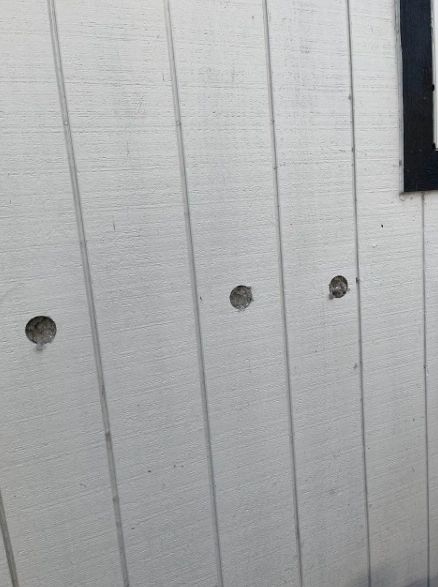
Exterior wall insulation is one of the most effective ways to improve energy efficiency, comfort, and moisture control in your home or building.
By insulating exterior walls, you reduce heat loss in the winter, keep indoor spaces cooler in the summer, and protect your structure from drafts and outside temperature fluctuations. Properly installed exterior wall insulation also helps lower energy bills and extend the life of your HVAC system. Insulating exterior walls creates a thermal barrier between your interior living space and the outdoors. This helps maintain consistent indoor temperatures while reducing energy waste. Exterior wall insulation can also improve soundproofing, reduce condensation issues, and enhance overall indoor comfort.

Uninsulated exterior walls allow heat to escape and outdoor air to enter. Upgrading exterior wall insulation improves comfort, efficiency, and indoor air quality year-round.

Poorly insulated exterior walls are a leading cause of energy waste. Exterior wall insulation helps stabilize indoor temperatures and supports a healthier living environment.

Exterior wall insulation reduces energy loss, lowers utility costs, and enhances long-term comfort. It’s a smart upgrade for a more efficient, eco-friendly home.
Please reach us at sales@insulationco.com if you cannot find an answer to your question.
Exterior wall insulation is insulation installed within or on the exterior-facing walls of a home or building. It helps regulate indoor temperatures by reducing heat loss in the winter and heat gain in the summer.
Uninsulated or under-insulated exterior walls are a major source of energy loss. Proper insulation improves comfort, lowers energy bills, reduces drafts, and helps maintain consistent indoor temperatures year-round.
Common signs include uneven room temperatures, cold or hot walls, high energy bills, drafts, or older construction with little to no existing insulation. A professional inspection can confirm insulation levels and identify gaps.
Exterior walls can be insulated using spray foam, dense-pack insulation, fiberglass, or rigid insulation panels. The best option depends on your wall structure, climate, budget, and energy-efficiency goals.
Yes. Exterior wall insulation can often be added to existing homes without major disruption. Dense-pack insulation and certain foam applications are commonly used for retrofit projects. n your wall structure, climate, budget, and energy-efficiency goals.
Yes. Insulating exterior walls can significantly reduce outside noise by adding mass and sealing air gaps, making your home quieter and more comfortable.
Properly installed exterior wall insulation can help control moisture by reducing condensation and limiting air infiltration. This can lower the risk of mold growth and improve indoor air quality.
High-quality insulation can last for decades when properly installed. Many insulation materials are designed to maintain performance for the lifetime of the structure.
Yes. Exterior wall insulation improves energy efficiency, lowers heating and cooling costs, enhances comfort, and can increase property value, making it a smart long-term investment.
Professional installation is strongly recommended to ensure proper coverage, air sealing, and code compliance. Incorrect installation can reduce effectiveness and lead to moisture or performance issues. And also, to prevent any costly repairs if wires are hit.
Take the first step toward a healthier, more energy-efficient home. Reach out now to schedule your free consultation and estimate.
723 Brookstone Street, Mount Vernon, WA, USA
For Immediate Response or Questions Office: 360-842-6921 Email: sales@insulationco.com
Open today | 08:00 am – 06:00 pm |
Copyright © 2025 Insulation Co - Attic & Crawl Cleanup - An Insulation Co Company. All Rights Reserved.
